
How Agentic Marketplaces Can Reduce "No Show" Orders and Fake Payments
by Optimus AI Labs5 min read
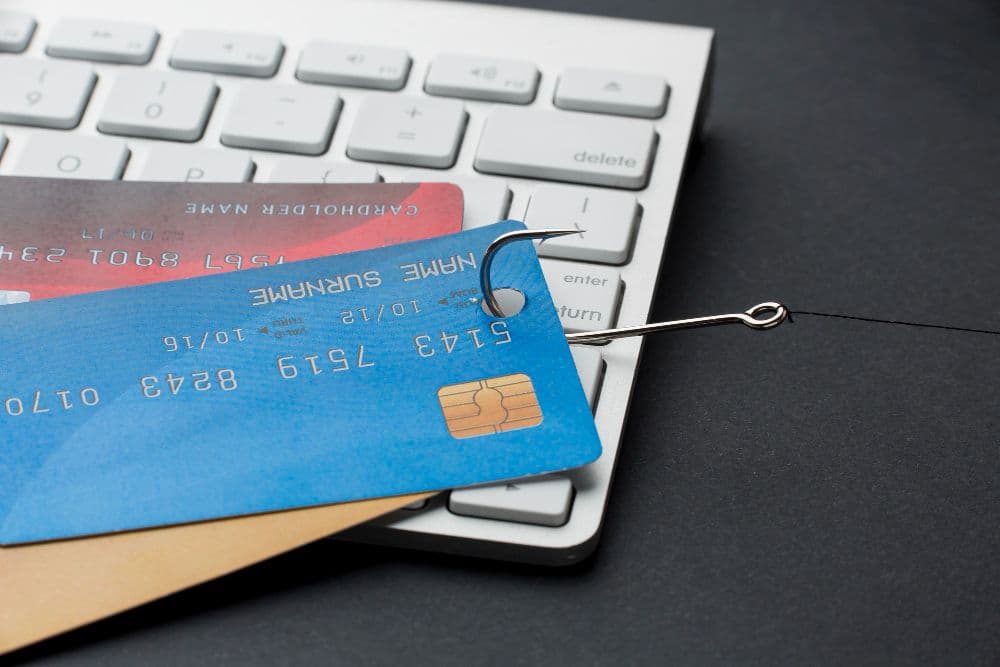
A phone seller in Lagos once narrated a personal story he still thinks about. A buyer in Ikeja ordered a 340,000 naira phone, agreed to pay on delivery, and sent a friendly message asking the rider to call when he got close.
The seller packed the phone, paid the rider 4,500 naira upfront, and waited. The rider reached the address, called three times, and heard nothing. The buyer's number went dead. The rider brought the phone back that evening, wanted his money for the return trip, and the seller sat at his counter with a box he couldn't resell until the next morning.
That one order cost him the dispatch fee in both directions, a day of idle stock, and an afternoon of calls. His profit on the phone would have been about 18,000 naira. The loss was bigger than the profit, and the buyer never existed in any way that mattered.
What the Bleed Looks Like Over a Month
Many merchants know this feeling but haven't added it up, so we'll walk through a rough example. For instance, take a seller who ships 60 orders a month.
Six of them go to buyers who vanish or reject the parcel, and two of them involve a fake transfer alert. Each failed delivery costs around 5,000 naira in rider fees and wasted time. A single fake alert on an expensive item can cost the full price of the goods. At those numbers, the seller loses 30,000 naira on the no-shows, plus whatever the two fake alerts take, which could easily be 100,000 naira or more. The seller's real monthly profit may be 200,000 naira.
A large share of it goes to people who never meant to pay. I can't say how closely this matches your own shop, and your figures will differ, but the habit of checking is worth the effort. Merchants who sit down with their last three months of orders often find a bigger number than they expected. The standard story is that this is a cost of doing business, but it doesn't have to be that. There's also a cost that doesn't show up in any ledger. A seller who has been burned twice starts to doubt every buyer, including the honest ones.
He asks for extra proof, replies slowly, and sometimes turns away a real customer who would have paid on time. The suspicion protects him a little and costs him sales he never learns about.
Why Chat Store and Basic Platforms Leave the Door Open
Selling through WhatsApp and Instagram runs on trust between two people who've never met. The buyer says they've paid and sends a screenshot.
The seller looks at the image, sees a bank logo and a figure, and has to decide in a minute whether it's real. Fake alert apps make convincing screenshots in seconds, and a seller who's busy packing five other orders has little time to check each one against a bank balance. Standard e-commerce platforms don't solve this either. A store builder processes the payment, but it doesn't judge the buyer. It can't tell a first-time customer who has never accepted a delivery from a regular who always does.
Cash on delivery stays outside the system entirely, which means the risk sits with the merchant from the moment the rider leaves. Add the fact that most small sellers handle all of this alone, often at night after the day's sales, and the exposure makes sense. Nobody has designed a setup for one person to verify every payment, vet every buyer, and confirm every delivery. So the seller guesses, and guesses wrong sometimes.
The Real Cost of Pay-on-Delivery and Screenshot Checks
Pay-on-delivery feels friendly because it lets a nervous buyer see the goods first. For the seller, it works as a loan with no collateral. The seller pays for packing, pays the rider, and holds the stock in transit while the buyer decides whether to commit. If the buyer says no, the seller absorbs everything. One high-value no-show can wipe out the margin of five normal sales. A phone that earns 18,000 naira and costs 9,000 naira in failed logistics and a lost day wipes out half the earnings of that order, and when the order is larger, the damage grows.
Merchants respond by building long verification routines. They call every buyer, ask for a second screenshot, request a small deposit, and sometimes drop the sale altogether when it feels too complicated. Each of those steps costs time and loses a few honest buyers who get tired of being questioned.
What an Agentic Marketplace Is
An agentic marketplace is an online marketplace where software agents do work that a human would otherwise do by hand. You list your products, and the agents handle tasks in the background, such as checking payments, screening buyers, and confirming deliveries.
They follow rules you can see and adjust, and they pass anything unusual to you. Nothing about this requires you to install heavy software or learn a new system.
Eliminating e-commerce fraud without software bloat means the checks run inside the marketplace you already list on, so your own setup stays as simple as it is today. Agentic marketplaces for secure e-commerce put a verification step between the buyer's decision and the rider's departure. Nothing leaves the park until the money is real or the buyer has been checked.
Stopping Fake Transfers Before They Cost You
The first protection is payment verification that doesn't depend on screenshots. When a buyer pays through the marketplace, a verification agent confirms that money has actually settled in the account, not that someone sent a picture of a receipt.
A fake alert can't pass this check, because there's no real ledger entry behind it. For larger orders, or when the seller wants extra protection, the marketplace holds the payment in escrow. The buyer's money sits in a protected state while the goods travel. The seller sees that funds are locked and can ship with confidence, and the buyer knows the money won't reach the seller until the parcel arrives.
Automated payment verification for African SMEs removes the guesswork, because the system answers the question a seller used to answer with a hunch. This also takes the strain out of pay-on-delivery decisions. A merchant can offer escrow as the default, which keeps most buyers comfortable.
Buyers still get to inspect and accept the item before the money moves, so conversion doesn't drop the way it does when sellers simply demand full payment upfront and lose nervous customers.
Spotting the Buyers Who Always Cancel
Some buyers accept every delivery. Others reject one parcel in three. This difference is important, but a seller who meets each buyer for the first time can't see it. Background agents in a marketplace can. They look at a buyer's delivery history across the network, the device they're using, and signs that match patterns seen in earlier no-shows.
A buyer who has refused four parcels in the past month from different sellers shows up differently from one who has accepted twenty.
The system then acts on what it finds. A flagged buyer might be asked to prepay, or the marketplace might decline their request for cash on delivery on a high-value item. But an extra caution here. No scoring system is perfect, and a new buyer with no history isn't automatically a risk. Good setups give new customers an easy path, such as a small prepayment or escrow, so honest first-timers still buy.
Reducing delivery no-shows for online stores works best when the system screens for risk without treating every stranger as a suspect.
What Stops a Buyer From Scamming You
The honest answer is that no software can eliminate every conceivable risk in commerce. What a truly intelligent architecture does, however, is stack multiple defensive barriers so that attempting a scam becomes far too expensive, difficult, and unrewarding to attempt. A fake payment screenshot fails because the infrastructure verifies actual bank settlements in real time. A serial rejector fails because their historical transaction activity follows them across channels.
A buyer who falsely claims non-delivery fails because automated confirmation codes provide immutable proof of receipt. To succeed, a bad actor would have to bypass all three defenses simultaneously, and most simply won't bother trying. At OptimusAI Labs, we engineered NexaSquare to provide this exact layer of security. As an AI-powered software development company, our NexaSquare platform acts as an agentic marketplace layer connecting buyers and merchants, not as a standalone e-commerce store, but as an intelligent coordination and verification engine that sits on top of your existing workflows.
Replacing Friction with Automated Trust
Just like the phone seller in Lagos who routed his high-value orders through a platform equipped with escrow and buyer verification, putting the right security layer in place fundamentally changes your day-to-day operations:
- Drastic Reduction in Vanishing Buyers: Fraudulent accounts and non-serious buyers get filtered out automatically before order dispatch.
- End of Proof-of-Payment Chasing: Merchants no longer waste time calling customers to demand bank receipts or transaction screenshots.
- Confident Fulfillment: Orders are packed and dispatched with total peace of mind the moment the system confirms funds are securely held, ensuring delivery riders never arrive to empty promises.
Stop risking your inventory on fake alerts and unreliable orders. With NexaSquare, you get an agentic marketplace layer that connects buyers and merchants, secures every transaction, and lets you fulfill orders with absolute confidence.


